

Growing Cannabis Outdoors
Ultimate Guide to Growing Cannabis Outdoors
Growing cannabis outdoors is a rewarding experience that combines the art of cultivation with the power of nature. Unlike indoor grows, outdoor cultivation harnesses the sun’s full spectrum, giving plants a chance to thrive naturally while reducing energy costs and maximizing yields. Whether you’re growing in your backyard, a remote plot, or a cottage garden, outdoor growing offers unique benefits and challenges that require planning and knowledge.
This guide will walk you through everything you need to know about cultivating cannabis outdoors. You can use this resource anytime to find help choosing the right strain, preparing your site, choosing nutrient strategies, dealing with pest management, and harvesting your outdoor crop.
Along the way, you’ll find in-depth articles written by professional outdoor cannabis growers.

1. Why Grow Cannabis Outdoors?
Outdoor cannabis growing offers several advantages over indoor cultivation. Here’s why many growers choose the open air:
Benefits
-
Cost Efficiency — Natural sunlight is free, eliminating the need for expensive lighting systems.
-
Higher Yields — Plants can grow larger outdoors with unrestricted root space and light exposure.
-
Flavor and Potency — Sun-grown cannabis often develops richer terpene profiles, improving aroma and effects.
-
Sustainability — Outdoor growing reduces your carbon footprint compared to energy-intensive indoor grows.
Challenges
Growing outdoors also comes with risks:
-
Weather Variables — Rain, frost, wind, and extreme temperatures can impact growth.
-
Pests and Mold — Plants are exposed to insects, fungi, and environmental stressors.
-
Legal Restrictions — Local laws may limit plant numbers or require specific permits.
-
Security — Outdoor grows can be vulnerable to theft or unwanted attention.
💡 To navigate these challenges successfully, careful planning is essential. Our 5 Essential Tips for Growing Cannabis Outdoors article offers a detailed starter guide for beginners and experienced growers alike.
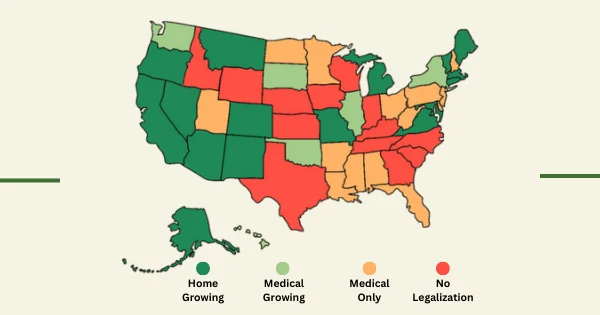
5 Essential Tips for Growing Cannabis Outdoors
Want to grow your own Cannabis - Here are 5 essential tips you must consider [...]
Apr
2. Choosing the Right Strain
Choosing the right strain is one of the most critical decisions for outdoor growing. Strain selection affects your plant’s resilience, yield, flavor, potency, and how well it adapts to your outdoor climate.
Climate Considerations
Different cannabis strains thrive in different climates. For example:
-
Cold Climates require hardy strains with shorter flowering periods.
-
Dry Climates need drought-resistant varieties.
-
Temperate Climates offer more flexibility in strain choice.
🔗 Learn more about climate-specific growing in:
Strain Types
-
Indica — Typically shorter, bushier plants, faster flowering, suited for colder climates.
-
Sativa — Taller, longer flowering periods, great for warm climates, with uplifting effects.
-
Hybrid — Offers a mix of traits tailored for specific conditions or desired effects.
Local Recommendations
For growers in specific regions, strain choice can make or break a harvest. Check guides like:
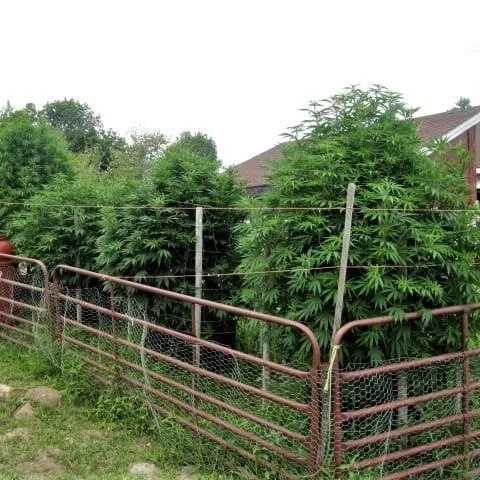
How to Grow Cannabis in a Cold Climate
If you're living in a cold climate, you can still grow healthy cannabis plants at [...]
Jun
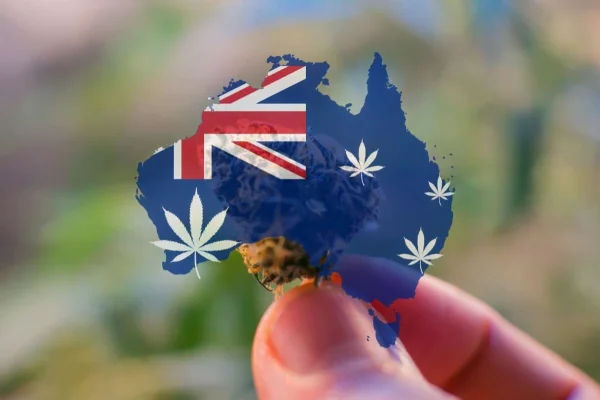
How to Grow Cannabis Outdoors in Australia
How to grow cannabis outdoors in Australia. Learn about laws and specific climatic conditions in [...]
Nov
MN Cannabis Seeds: Best Strains to Grow in Minnesota
As of August 2023 Cannabis has become legal to grow in Minnesota. Here's what you [...]
Sep
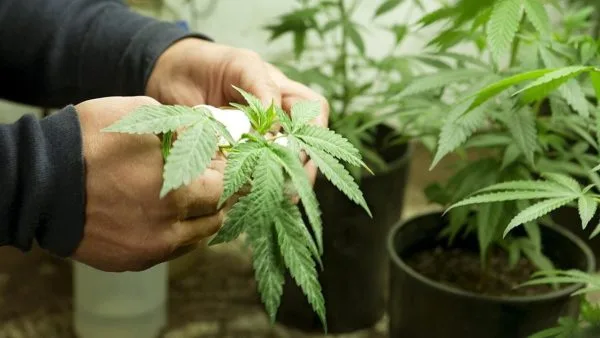
The Best Cannabis Strain To Grow Outdoors in Your Area
Learn how to choose best cannabis strain to grow outdoors in your region. Explore popular [...]
Feb
3. Planning Your Outdoor Grow
Once you’ve chosen your strain, the next step is planning your grow to maximize success.
Legal Considerations
Before planting a single seed, research local laws regarding outdoor cannabis cultivation. Restrictions may cover plant numbers, permitted locations, and security measures.
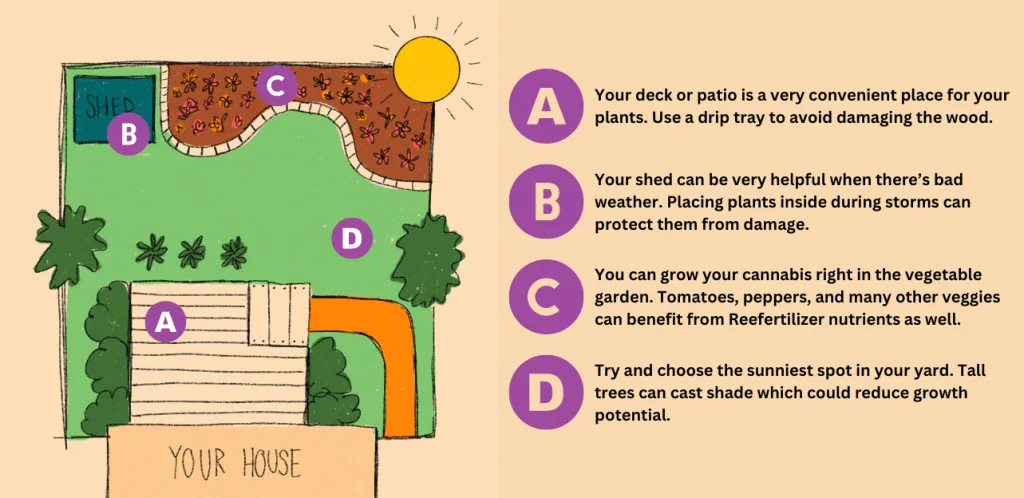
Choosing the Right Location
A successful outdoor grow depends heavily on location:
-
Sunlight — Cannabis requires at least 6–8 hours of direct sunlight daily.
-
Protection — Choose a site shielded from strong winds and heavy rain.
-
Accessibility — Ensure the area is easy to water, monitor, and maintain.
-
Privacy & Security — Conceal your plants from unwanted attention.
Seasonal Timing
The timing of planting is crucial. Outdoor cannabis plants rely on seasonal changes for growth and flowering. In many regions, spring planting is optimal, allowing plants to flower in late summer or early fall.
📅 For a detailed seasonal timeline, check our Growing Weed Outdoors Timeline (Infographic) , When Do I Put My Cannabis Plants Outdoors? , and Tips For Growing Weed in The Backyard or On a Balcony guides.
Growing Weed Outdoors Timeline (Infographic)
Get a quick idea of what the outdoor cannabis growing timeline looks like.
Aug
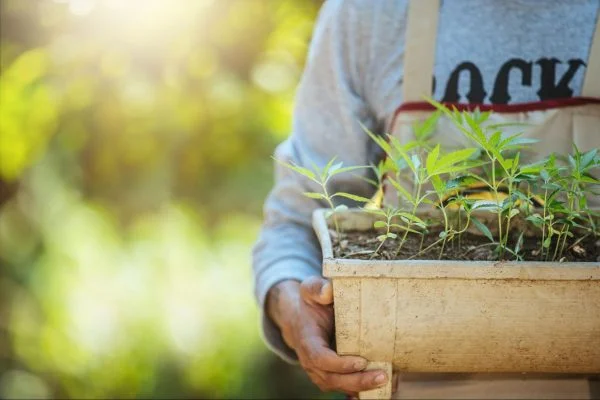
When Do I Put My Cannabis Plants Outdoors?
Maximize cannabis growth. Know when to take your plants outdoors. Find the ideal time to [...]
Apr
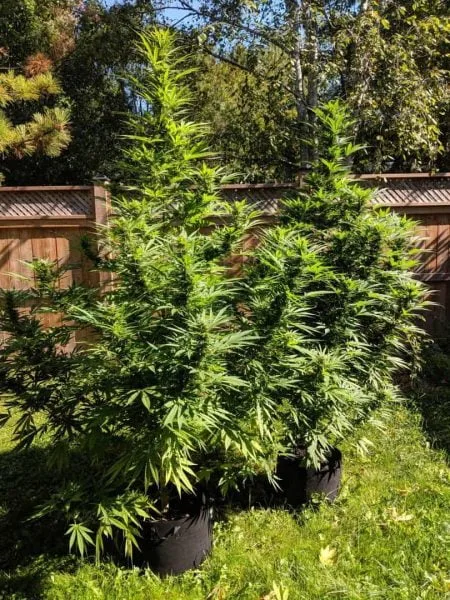
Tips For Growing Weed in The Backyard or On a Balcony
Indoor grows have their advantages, but nothing beats growing weed in the backyard or on [...]
Jun
4. Preparing Your Growing Site
Proper preparation of your growing site is essential for a healthy outdoor cannabis harvest. A well-chosen site and careful preparation set the foundation for plant growth and yield.
Soil Preparation
The soil is the heart of outdoor cannabis cultivation. Healthy, nutrient-rich soil improves plant vigor and potency.
Key steps:
-
Test your soil’s pH and nutrient levels.
-
Amend soil with organic matter like compost or worm castings.
-
Incorporate beneficial microbes to improve nutrient absorption (learn more in Boosting Growth with Cannabis Soil Microbes).
Companion Planting
Companion plants can protect cannabis by repelling pests, enhancing soil health, and improving yields. Some great choices include marigold, basil, clover, and chamomile.
🔗 For a deeper dive, read 6 of the Best Companion Plants for Cannabis.
Frost Protection
If you grow in cooler climates, frost can threaten flowering plants. Strategies include:
-
Choosing frost-resistant strains.
-
Using row covers or shade cloths.
-
Building small windbreaks around your site.
📖 See more in Guarding Your Green: Frost Protection Strategies for Cannabis.
Guarding Your Green: Frost Protection Strategies for Cannabis Plants
Learn how to shield your cannabis plants from frost damage using simple, effective methods.
Oct
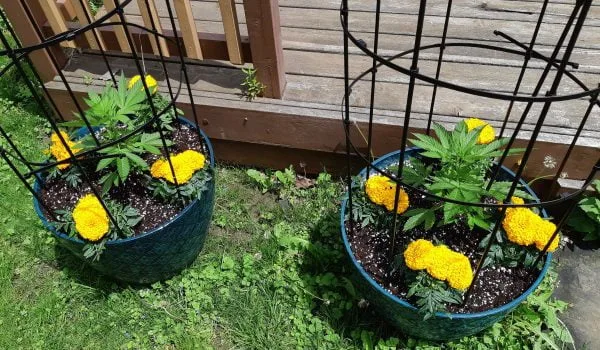
6 of the Best Companion Plants for Cannabis
Did you know? Growing specific plants next to your cannabis can help them grow better. [...]
Jun
Boosting Growth with Cannabis Soil Microbes
Unlock the secrets of soil microbes to enhance your cannabis garden’s growth and health.
Oct
5. Soil and Nutrient Strategies
A key advantage of outdoor growing is the ability to work with natural soil systems, but the right nutrient strategy is crucial for robust growth and abundant flowering.
Organic vs. Synthetic Nutrients
-
Organic nutrients — improve soil health over time and add beneficial microbes but require more careful management.
-
Synthetic nutrients — offer precision feeding but may impact soil microbiology if not balanced.
Learn more in Can You Mix Organic and Synthetic Nutrients.
Feeding Schedules
Outdoor cannabis needs nutrients at different growth stages:
-
Vegetative Stage — high nitrogen content.
-
Flowering Stage — higher phosphorus and potassium.
For a complete feeding strategy, see Outdoor Cannabis Water and Feeding Secrets and Choosing Fertilizer for Weed – Dry, Liquid, or Compost.
Bloom Nutrients
Proper bloom nutrients will help your plants develop dense, potent buds outdoors.
🔗 Read our guide to Choosing the Best Marijuana Bloom Nutrients for in-depth recommendations.
Watering Considerations
Outdoor cannabis needs consistent moisture but is sensitive to overwatering. Consider drip irrigation or soaker hoses for even watering and conservation.
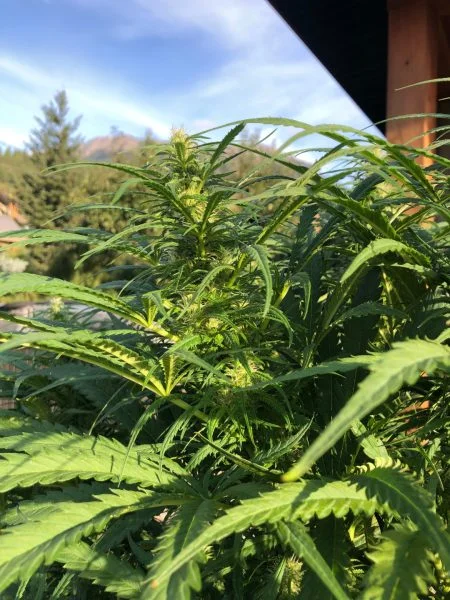
Can You Mix Organic and Synthetic Nutrients
Mike DrouinMike Drouin is the co-founder of Reefertilizer. He’s an experienced craft cannabis grower and [...]
Aug
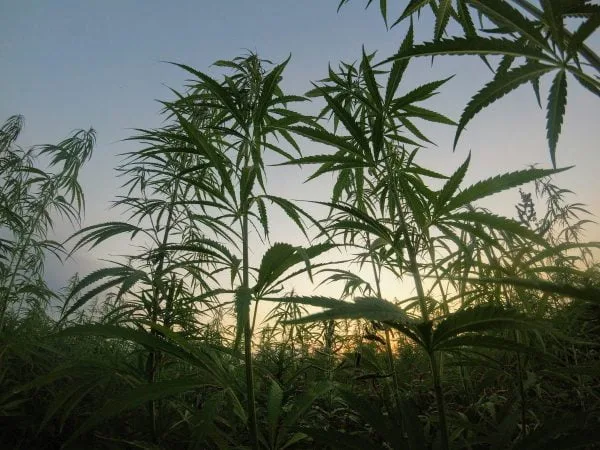
Outdoor Cannabis Water and Feeding Secrets
Many consumers want their weed grown in the great outdoors, believing that the flavor profile [...]
Jul
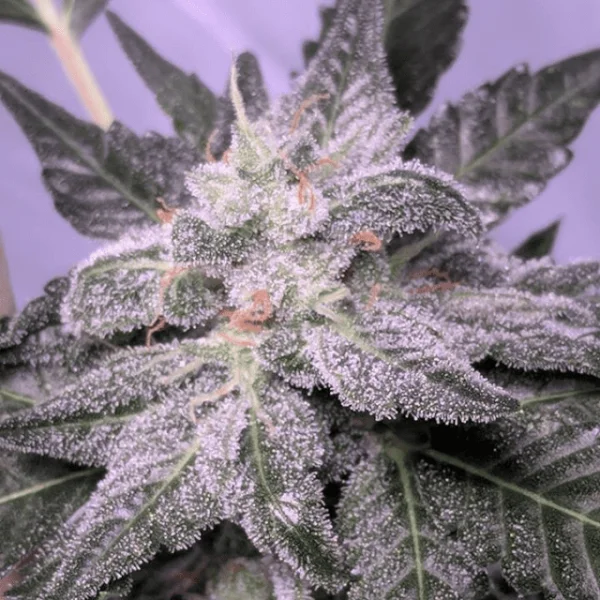
Choosing Fertilizer for Weed – Dry, Liquid, or Compost
Fertilizer for weed can come in many forms. Growing without any will result in smaller [...]
Aug
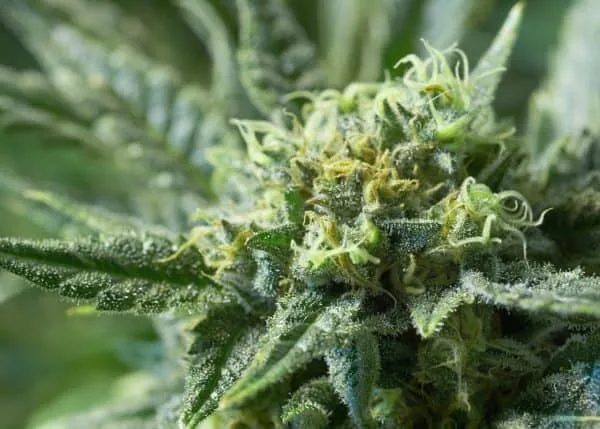
Choosing the Best Marijuana Bloom Nutrients
What makes a good blooming fertilizer for cannabis and how do you feed flowering weed [...]
Mar
6. Planting and Care Tips
Once your site is prepared and nutrients are ready, the planting and care stage begins. Proper attention during this stage ensures healthy plants and maximized yields.
Germination and Transplanting
-
Germinate seeds indoors to control conditions before transplanting outside.
-
Harden off seedlings by gradually introducing them to outdoor conditions.
-
Choose planting sites with adequate spacing for light and airflow.
Staking and Support
Outdoor cannabis plants can grow large and heavy. Stakes or trellises provide support and prevent branches from breaking.
Watering Tips
-
Water deeply but infrequently to encourage deep root growth.
-
Adjust watering according to weather conditions and plant size.
-
Mulch around plants to retain moisture and regulate temperature.
Seasonal Adjustments
Outdoor plants are subject to changing weather. Monitor local forecasts and adjust care accordingly to protect your crop.
📖 For regional advice, see:
How to Grow Cannabis in a Cold Climate
If you're living in a cold climate, you can still grow healthy cannabis plants at [...]
Jun
How to Grow Cannabis in Dry Climates
Dry climates introduce extra challenges for cannabis growers, but these challenges can be overcome. Here's [...]
Jul
7. Pests, Diseases, and Protection
Outdoor cannabis faces unique challenges when it comes to pests and diseases. Unlike indoor grows, where environments can be tightly controlled, outdoor plants must adapt to the natural world.
Common Pests
-
Aphids — Small sap-sucking insects that can stunt growth.
-
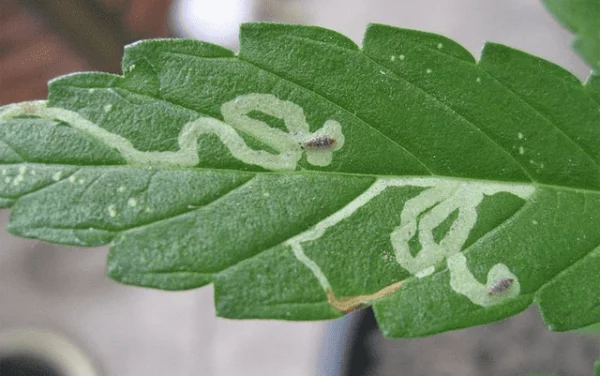
Spider Mites — Tiny pests that cause leaf damage and discoloration.
-
Caterpillars — Feed on leaves and buds, reducing yield.
-
Thrips — Cause silvery damage and transmit disease.
Organic pest control options include neem oil, insecticidal soap, and introducing beneficial insects like ladybugs. Companion planting (covered in Section 4) also helps repel pests naturally.
Diseases
-
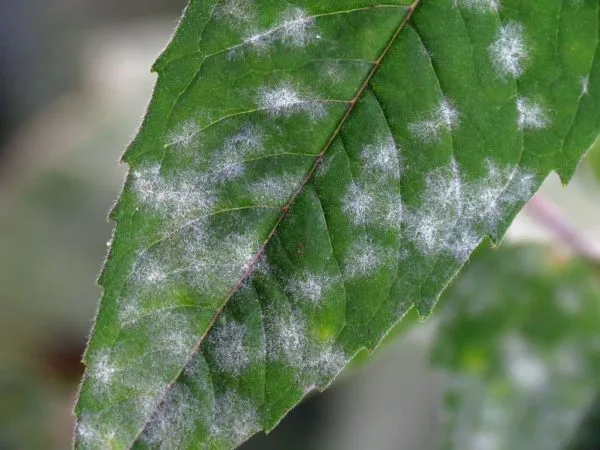
Powdery Mildew — White, powder-like coating on leaves and buds.
-
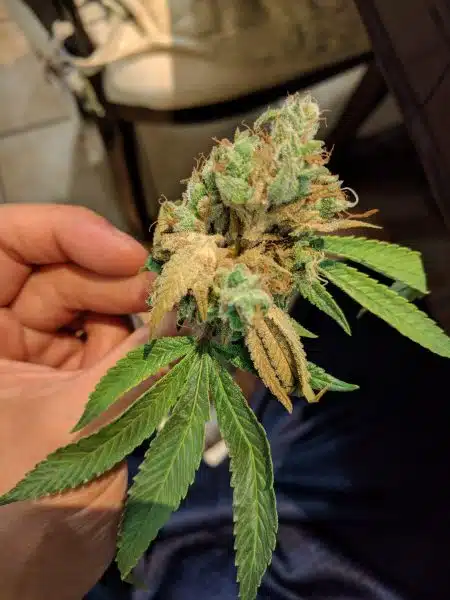
Bud Rot (Botrytis) — A fungal infection that destroys flowers internally.
Proactive prevention is key:
-
Avoid overcrowding plants to improve airflow.
-
Prune and defoliate to remove excess foliage.
-
Monitor humidity and moisture levels.
📖 Read our full guide to Identify, Prevent, and Remove Cannabis Bud Rot & Mold and How to Stop White Powdery Mildew for detailed prevention strategies.
Destructive Cannabis Pests and How to Defeat Them
You might be looking forward to consuming your home-grown cannabis after harvest time… But there [...]
2 Comments
Jul
Identify, Prevent, and Remove Cannabis Bud Rot & Mold
Learn how to prevent bud rot caused by botrytis cinerea, a common mold that can [...]
Aug
How to Stop White Powdery Mildew – Identify and Eliminate WPM
Learn how to stop white powdery mildew before it spreads quickly, and ruins your whole [...]
Aug
8. Harvesting and Post-Harvest Care
Harvesting outdoor cannabis is both an art and a science. Proper timing and handling determine the quality, potency, and flavor of your final product.
When to Harvest
Outdoor plants follow seasonal cycles. Watch for visual cues such as:
-
Pistil color turning amber.
-
Trichomes turning cloudy or amber.
-
Leaves beginning to yellow.
Our article on When to Harvest Your Cannabis Plants offers a complete guide to perfect timing.
Trimming and Curing
-
Wet trimming vs. dry trimming — both have benefits, depending on climate and personal preference (How to Trim Cannabis Buds — Wet vs. Dry).
-
Proper curing improves flavor, aroma, and smoothness.
-
Store buds in airtight containers in a cool, dark place.
Washing Buds
For outdoor-grown cannabis, washing buds can remove dust, pests, and residues. This improves overall quality and reduces the risk of mold during storage.
🔗 Learn more in How to Wash Your Outdoor Cannabis Buds After Harvest.
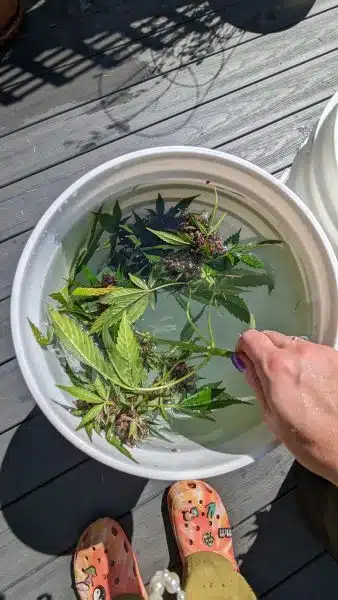
How to Wash Your Outdoor Cannabis Buds After Harvest
Learn how to wash your outdoor cannabis harvest to remove dirt, dust, pollen, insects, and [...]
Oct
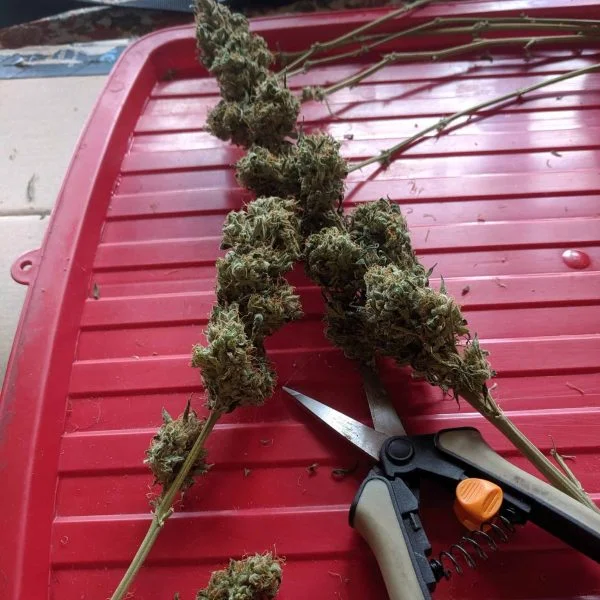
How to Trim Cannabis Buds – Wet vs. Dry
Wet trim vs. dry trim! What's the difference between these to methods of trimming cannabis?
2 Comments
Jul
When and How to Flush Cannabis Plants Before Harvest
How to flush cannabis to remove excess nutrients and salts. It's is an old cannabis [...]
Sep
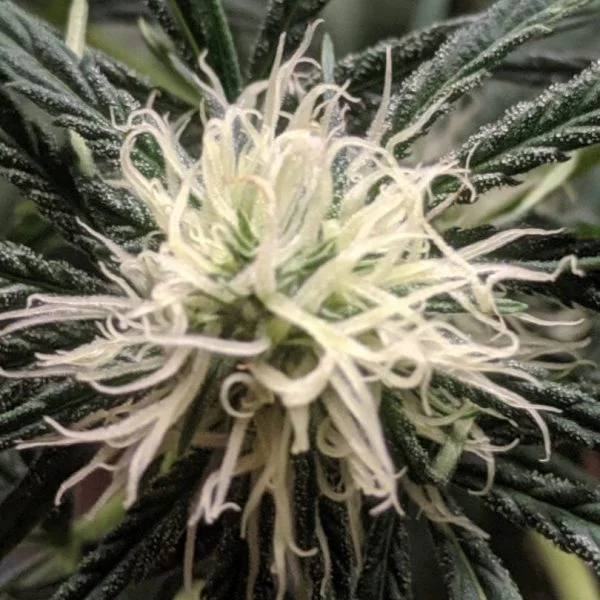
When to Harvest Your Cannabis Plants For Awesome Results
Learn when to harvest your cannabis plants at the right time and how timing affects [...]
Aug
9. Outdoor Growing FAQs
Here are some common questions beginners ask when growing cannabis outdoors:
Q: How much sunlight do cannabis plants need?
A: Cannabis thrives with at least 6–8 hours of direct sunlight daily.
Q: Can I grow cannabis outdoors year-round?
A: That depends on your climate. Outdoor cultivation is seasonal in most regions, with planting in spring and harvest in late summer or early fall.
Q: How do I prevent pests naturally?
A: Companion planting, diatemaceous earth, beneficial insects, and maintaining plant health all help reduce pests naturally.
Q: What’s the best way to water outdoor cannabis?
A: Deep, infrequent watering encourages strong root growth. Mulching helps retain moisture.
Conclusion
Outdoor cannabis cultivation is a deeply rewarding journey that connects growers with nature while delivering high-quality, flavorful buds. With careful planning, proper strain selection, nutrient management, and proactive pest control, you can turn your outdoor grow into a flourishing success.
This guide is your gateway to mastering outdoor cannabis cultivation. Explore the many linked Reefertilizer articles about growing cannabis outdoors the cover everything from frost protection strategies to nutrient secrets, harvesting tips, and more.
🌱 Ready to start your outdoor grow?
Begin by exploring our complete set of free guides and tools to build your dream harvest one step at a time.
Unlock the Secrets to Growing Dense Weed Buds
Discover how to transform light, fluffy buds into dense buds.
Feb
Regenerative Cannabis: What It Is and Why Consumers Should Care
Cannabis has changed. Stronger strains. Better flavors. Cooler packaging. But there’s a more subtle shift [...]
Feb
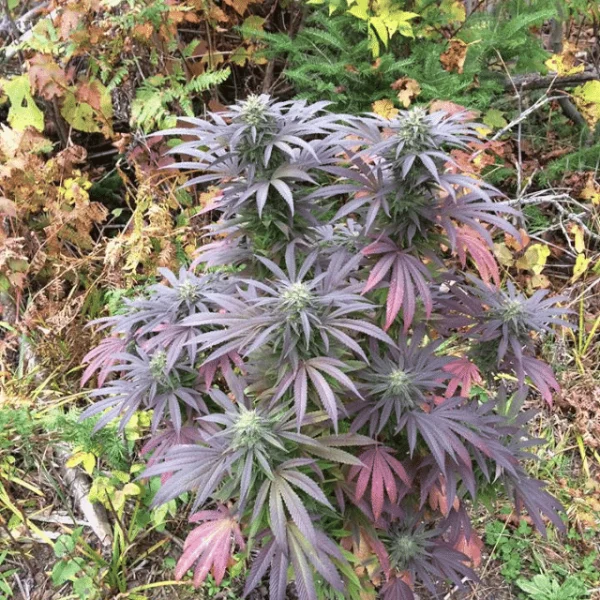
Ultimate Guide to Growing Cannabis Outdoors
Mike Drouin Mike Drouin is the co-founder of Reefertilizer. He’s an experienced craft cannabis grower [...]
Oct
Guarding Your Green: Frost Protection Strategies for Cannabis Plants
Learn how to shield your cannabis plants from frost damage using simple, effective methods.
Oct
Avoiding Light Leaks: Tips for Healthy Indoor Cannabis
Keep your cannabis thriving by ensuring total darkness.
Sep
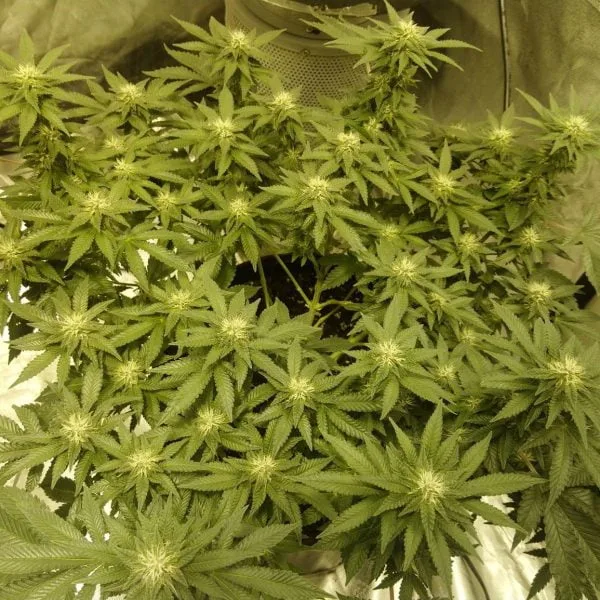
How Often Should I Feed and Water My Cannabis?
Your plants will be unhappy unless their water and nutrient diet is just right. Your [...]
Jun
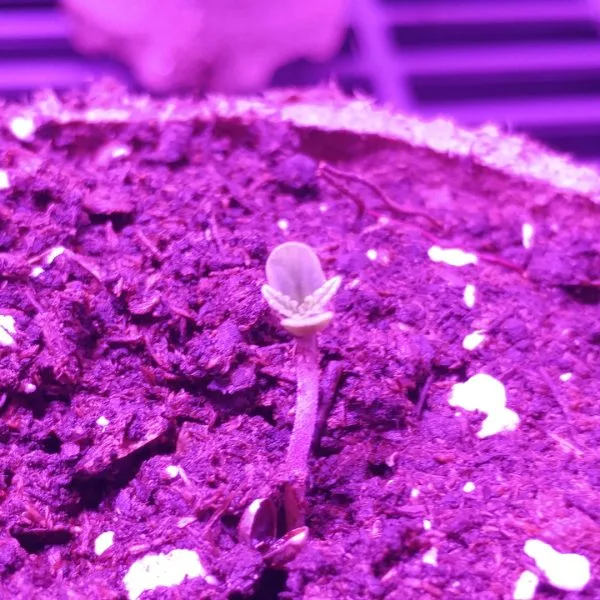
How Much Water Do I Give My Cannabis Sprouts
Learn the best ways to keep those expensive sprouts alive and watered.
Apr
How To Dose Homemade Edibles
Learn how to properly dose homemade edibles and give our potency calculator a try.
Mar
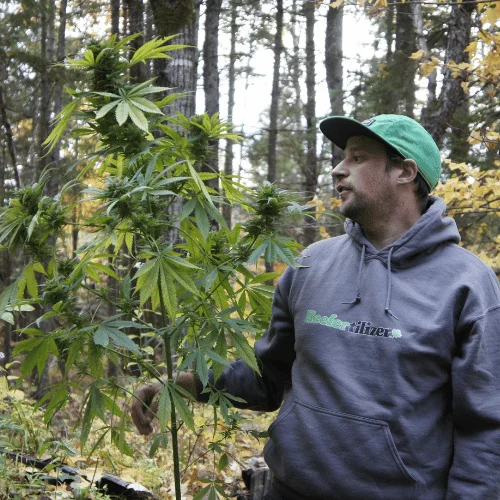
Mike Drouin is the co-founder of Reefertilizer. He’s an experienced craft cannabis grower and a writer of many articles regarding the process. Mike lives on Vancouver Island and enjoys cycling and camping and will sometimes combine the two.
