

Uncategorized
Regenerative Cannabis: What It Is and Why Consumers Should Care
Cannabis has changed. Stronger strains. Better flavors. Cooler packaging. But there’s a more subtle shift happening under the surface. Literally.
It’s called regenerative cannabis, and it’s all about how the plant is grown. If you care about what you consume and where it comes from, this is big news, and we’ll explain why below.
What Is Regenerative Cannabis?
Regenerative cannabis farming goes beyond being “organic.” It focuses on healing the soil and avoiding chemicals.
Instead of stripping land year after year, regenerative growers rebuild it. They use compost, cover crops, and natural microbes to bring soil back to life. Cannabis growers believe that healthy soil acts like a living system. They store carbon and feed plants naturally rather than forcing growth with synthetics.
This approach mirrors nature. Nothing wasted. Everything reused. Plants grow stronger because the ecosystem supports them.
Regenerative cannabis treats the farm as a closed loop. Soil feeds plants. Plants protect soil. The cycle keeps going.
How Is Regenerative Different From Organic?
Organic farming mainly focuses on what not to use.
MG Magazine’s deep dive shows how regenerative farms in the Emerald Triangle actively improve land over time. Organic farms can still deplete soil. Regenerative ones aim to leave it better than they found it.
Think of organic as “doing less harm.” Regenerative is “doing actual good.” Regenerative farming focuses on what to build.
Why Growers Are Moving in This Direction
Cannabis is resource-heavy. Indoor grows burn energy. Outdoor grows can stress the land.
Cannabis Science and Technology reports that the industry is pushing hard toward sustainability. More growers are adopting water-saving methods, soil-first practices, and energy-conscious systems.
Their drive for sustainability in cannabis cultivation highlights how these shifts are becoming standard, not niche. This isn’t only ethical. It’s also practical. Healthy soil holds water better. Plants resist pests naturally. Less intervention is needed.
That scalability is already happening. Cannabis Business Times profiled SunEarth and how the NPO successfully expanded regenerative practices to the East Coast.
From Farm to Dispensary Shelf
As consumers get more curious, dispensaries respond.
Inkster, Michigan, is at the forefront of cannabis culture. With a strong focus on retail, cultivation, and social equity, an Inkster dispensary is more than a typical weed shop. Dispensaries are taking steps to educate customers on how thoughtfully grown cannabis helps regenerative farms thrive.
Retail is the bridge between soil and shopper. Vibe Dispensaries explains that budtenders should advocate not only for high-quality flower, vapes, and edibles but also inform customers how and where their weed is grown. Yes, concentrates and deals matter; so does the source.
Why This Matters to You as a Consumer
Healthy soil equals healthier plants. That shows up in terpenes, flavor, and balance.
Regenerative cannabis often produces richer terpene profiles and more complete cannabinoid expressions. It’s not the high. It’s the depth.
You might not taste “soil,” but you’ll notice smoother smoke and fuller aromas.
Regenerative Cannabis Is Becoming a Brand Story
Growers aren’t hiding anymore. They’re becoming the brand.
MG Magazine explains that growers are becoming the face of the brand, and consumers want transparency. Who grew this? How was it cultivated? What values are behind it?
Regenerative practices give growers a real story to tell, one rooted in land stewardship, not fancy marketing.
The Environmental Impact Is Real
Science backs it up. A 2025 study published in Frontiers in Plant Science shows regenerative farming can improve biodiversity.
It increases soil carbon storage and strengthens ecosystem resilience. Cannabis fits naturally into this model when grown with intention.
The Market Is Shifting Fast
This movement isn’t slowing down. A 2026 GlobeNewswire report forecasts strong growth in cannabis cultivation that prioritizes organic and regenerative practices.
Currently, the cannabis cultivation market is worth $4.75 billion. That amount is projected to expand at a CAGR of 14.50%, reaching $12.27 billion by 2032.
The impetus is driven largely by eco-conscious consumers. And the report notes that the global cannabis cultivation market is transitioning to meet sustainability demands through 2032.
In short, consumer choices are shaping the future.
How to Support Regenerative Cannabis
You don’t need to be an expert. Just stay curious.
- Ask how your cannabis was grown
- Look for brands that talk about soil health
- Support dispensaries that value transparency
- Care about more than THC percentages
Small questions lead to big change.
Why Regenerative Cannabis Is the Future
Regenerative cannabis isn’t a trend. It’s a reset. A return to balance in a fast-moving industry.
Better soil. Better plants. Better experience. That’s something worth caring about.
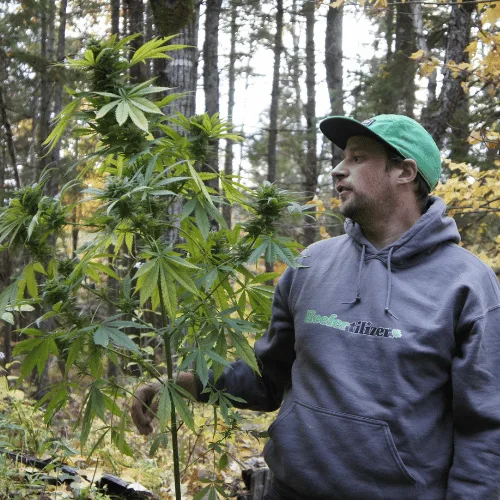
Mike Drouin is the co-founder of Reefertilizer. He’s an experienced craft cannabis grower and a writer of many articles regarding the process. Mike lives on Vancouver Island and enjoys cycling and camping and will sometimes combine the two.
