

-
×
 Reefertilizer® Bloom Flowering Nutrients for Cannabis
2 × $29.95 CAD
Reefertilizer® Bloom Flowering Nutrients for Cannabis
2 × $29.95 CAD
 Reefertilizer® Bloom Flowering Nutrients for Cannabis
 Cannabis Clues
The Green Revolution: How Cannabis Brands Are Going Eco-Friendly
You’d think the cannabis industry was one of the few sectors with the smallest environmental footprint. How green can cannabis culture get? It’s complicated, experts say.
It may be one of the fastest-growing industries in the world, estimated to be worth $64.73 billion by the end of the year. But its rapid expansion is straining power grids and creating water shortages.
Contrary to popular belief, Salon reports that the world’s favorite weed has a less than impressive carbon footprint. For instance, each kilogram of cannabis product generates 10,141.3 pounds of carbon dioxide emissions. We bet you didn’t know that!
However, independent cannabis growers and local brands hope to change the outcome by implementing sustainable practices for a greener future.
We’ll take a look at some of these methods below.
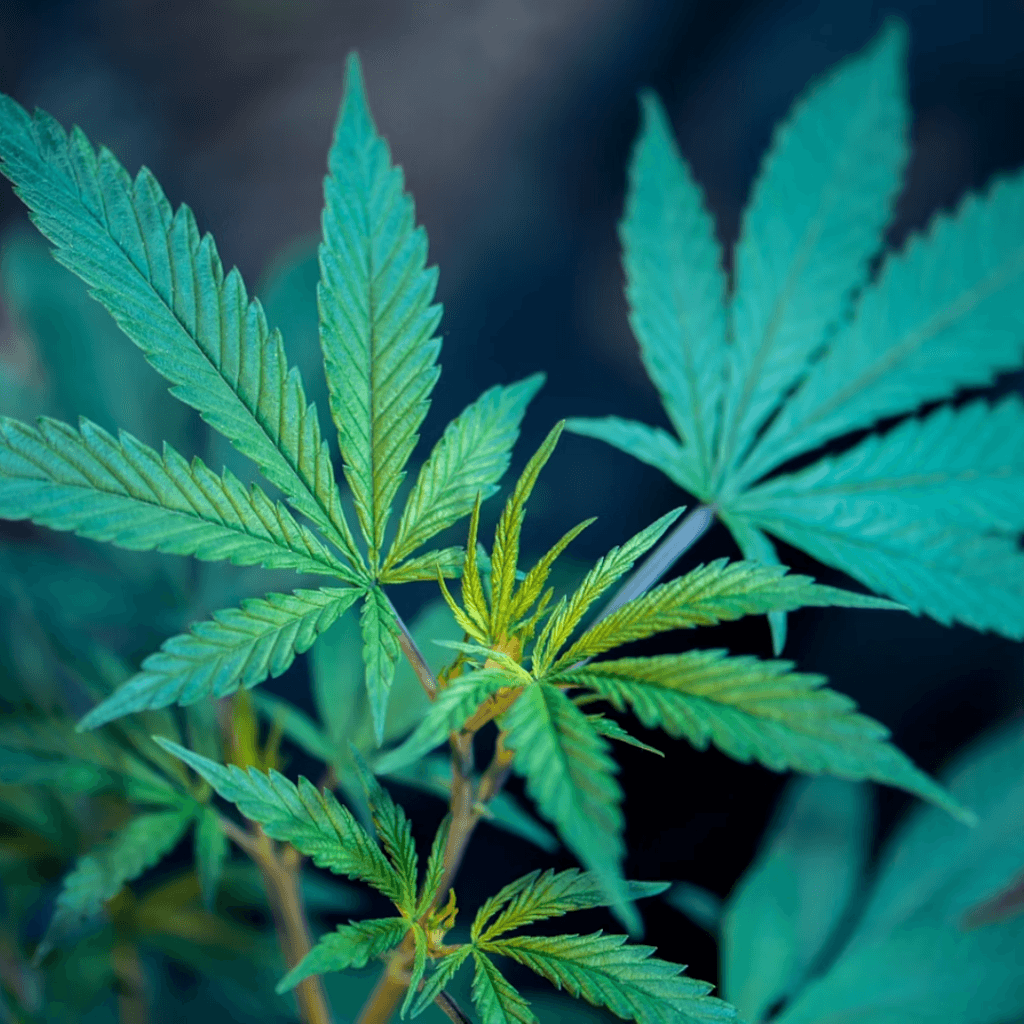
Single Source Production
Single-source full-spectrum cannabis is traditionally grown in California. The premium cannabis products derived from the strain are of the highest quality. From premium buds to pre-rolls, single-source production enhances the smoking experience.
Originating from the premium flower of a single, carefully selected cannabis strain, connoisseurs know exactly what they’re getting – consistency, value for money, and customer satisfaction.
Sluggers Hit defines “single source” as a manufacturer’s on-site nursery, cultivation, and extraction facilities. Supporting smaller-scale, strain-specific cultivation is essential for reducing the environmental impact of large-scale cannabis farming.
Packaging Alternatives
Environmental activists warn legal marijuana could create a plastic waste problem of the worst kind. Everything from buds to discarded vapes litter the streets.
Cannabis manufacturers are working hard to rectify the issue. MJBiz recently reported that disposable vape products account for 29% of all vape pen sales in the U.S. and end up in landfills.
Because the packaging for these products is non-biodegradable, the industry sought out a better solution. It found the answer in reclaimed and recycled ocean-bound plastic.
One producer of vape cannabis products and accessories went a step further and partnered with rePurpose Global. It became one of the first cannabis brands to achieve plastic-negative certification across all its product lines.
Others have also answered the call for more sustainable packaging by using hemp to minimize single-use plastic.
Hemp for the Win
Hemp has long been lauded for its sustainable qualities. Cultivating the fabric requires less water and pesticides.
The short growth period cuts down on its footprint and the plant oil is often a versatile staple in food due to its nutritional value.
Many cannabis brands see the value in hemp and use the fabric in their merchandise. Fiber2Fashion adds that it’s no surprise hemp clothing is leading the sustainable fashion movement.
The hemp clothing market is already valued at about $3.19 billion worldwide, reflecting the growing demand for eco-friendly clothing and a shifting behavior towards ethical consumerism.
Mainstream fashion brands are also on board as they create fashion pieces that cater to a more diverse clientele.
Sungrown Cannabis
Cultivating cannabis takes lots of electricity. Moving to a sustainable power grid isn’t enough for growing the plants.
Greenstate journalist Cara Wietstock tells Forbes there are many pain points when discussing cultivation methods.
For instance, growing indoors in states with long and weather winters puts pressure on the power grid. The simple solution would be to move the farms to locations ideal for cannabis growth and wholesale to other states.
Unfortunately, this isn’t quite possible due to policies in place that would take years to amend or change.
Sungrown (outdoor) farmers have been practicing sustainable cultivation for years, minus the costly power bill. Mother Nature provides all the natural energy needed to grow succulent buds.
California’s Emerald Triangle is home to farms that specifically grow outdoor strains. However, barriers remain in place as craft farmers are not allowed to sell directly to consumers and across state lines.
Increasing Bee Colonies
It’s no secret that bee populations are dwindling across the globe.
FairPlanet notes that the decline is due to several factors. From industrialized agriculture to climate change, these have contributed largely to destroying habitats and reducing food sources.
When the Cornell Department of Entomology set out to find if bees were attracted to hemp pollen, the findings were cautiously optimistic. Scientifically, hemp plants don’t produce nectar – the main attraction for bees.
Bees were caught using nets across hemp farms in New York and researchers established that the more biodynamic the farmland was, the more species would visit, including bees.
The study added that hemp crops could provide shelter and a reliable food source for bee colonies.
Outdoor farmers are especially excited about the development as it could mean relying on bees for pollination as long as they plant companion crops.
Regenerative Cannabis
Indoor cannabis relies heavily on artificial lighting and climate control, making it an energy-intensive process.
Regenerative cannabis cultivation has grown in popularity because it offers viable environmental solutions.
Smaller farms in California have adopted sustainable farming practices that embrace regenerative indoor farming techniques. Organic methods like compost and worm castings are replacing synthetic nutrients. The farms benefit from mild climates, which lowers energy needs.
Doug Fine argues that growing cannabis outdoors in suitable climates is both environmentally sustainable and economically viable. In his book Too High To Fail, he emphasizes that outdoor cultivation fosters a mutually beneficial model.
The approach is a win-win for outdoor farmers and consumers who demand organic and fair-trade products.
Blowing Hot Air
Despite the strides being made, the cannabis industry has a long way to go before fully adopting sustainable practices. The biggest hindrance is archaic policies and laws that discriminate against cannabis producers.
The industry can benefit significantly from adopting eco-friendly cultivation techniques. However, educating policymakers is paramount to any change.
Hemp, in particular, is poised to replace synthetic hydrocarbon derivatives. Yet, farmers still have much to do in viable and responsible farming practices.
From single-source production to packaging alternatives, the industry is working hard to turn the tide on unsustainable methods. By welcoming innovations and pushing for necessary changes, cannabis could be at the forefront of the eco-friendly revolution.
Soon, cannabis will earn its green credentials, and we’re not just talking about color.
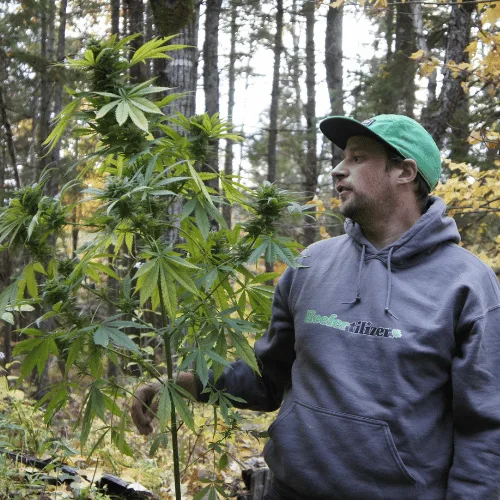
Mike Drouin is the co-founder of Reefertilizer. He’s an experienced craft cannabis grower and a writer of many articles regarding the process. Mike lives on Vancouver Island and enjoys cycling and camping and will sometimes combine the two.
